Understanding Indigenous Herbal Knowledge: Tradition, Culture and Responsible Use
Exploring the relationship between traditional knowledge, cultural heritage, herbal products and responsible modern use.
What Is Indigenous Herbal Knowledge?
Indigenous herbal knowledge refers to the knowledge developed by communities through generations of observation, experience, cultural practices and interaction with plants and the natural environment.
Long before modern laboratories and pharmaceutical industries, communities developed ways of identifying plants, preparing natural materials and incorporating them into their traditional practices.
This knowledge is more than a collection of plants. It can include cultural practices, preparation methods, environmental understanding, community values and knowledge passed from one generation to another.
Indigenous herbal knowledge represents a relationship between people, their environment, their culture and the knowledge developed through generations of experience.
Knowledge Passed From One Generation to Another
One of the most important characteristics of indigenous knowledge is the way it is transferred between generations.
Parents, grandparents, community elders, practitioners and experienced members of communities have historically played important roles in preserving and transmitting knowledge.
This transfer may happen through observation, storytelling, practical demonstrations, conversations and participation in community activities.
Because much of this knowledge has traditionally been passed through people rather than written documents, documentation can play an important role in preserving information for future generations.
Indigenous Knowledge and Cultural Heritage
Indigenous herbal knowledge is closely connected to cultural heritage. Plants and traditional practices can form part of the history, identity and everyday life of communities.
The knowledge surrounding a plant may include not only its traditional use but also local names, stories, preparation practices, environmental relationships and community customs.
Preserving this information therefore involves more than recording individual plants. It also involves understanding the cultural context in which the knowledge exists.
The Importance of Responsible Documentation
Documentation can help preserve indigenous knowledge and make information easier to access for educational and research purposes.
However, documentation should be approached responsibly. Traditional knowledge may belong to communities and may contain information that should not be removed from its cultural context.
Responsible documentation should therefore consider issues such as cultural ownership, permission, accuracy, context, privacy and appropriate use of information.
Preserving knowledge should not mean removing knowledge from the people, communities and cultural contexts that gave it meaning.
Traditional Knowledge in a Modern Marketplace
Indigenous herbal products now exist within a modern marketplace where customers can discover, compare and purchase products through digital platforms.
This creates opportunities for traditional products to reach wider audiences, but it also creates responsibilities.
Customers need clear information about products, appropriate usage information and responsible communication.
Businesses working with traditional products also have a responsibility to present information accurately and avoid unsupported promises or misleading claims.
The Role of Technology
Technology provides new ways of preserving, documenting and communicating indigenous knowledge.
Websites, digital libraries, databases, educational platforms, photography, video and other digital tools can help preserve information that might otherwise be difficult to access.
Digital technology can also connect communities, researchers, practitioners, educators and customers.
However, technology should complement knowledge rather than replace the cultural context from which the knowledge originated.
Responsible Use of Herbal Products
Responsible engagement with herbal products begins with understanding that natural products should still be approached carefully.
People should seek appropriate information about products, preparation methods, intended traditional uses and relevant safety considerations.
Traditional knowledge should not automatically be interpreted as a substitute for professional medical diagnosis or treatment.
Where someone has a medical condition, takes medication, is pregnant, is caring for a child or has another health concern, appropriate professional advice should be considered.
Preserving Knowledge While Embracing the Future
Preserving indigenous herbal knowledge does not require rejecting modern technology.
Instead, technology can provide tools for better documentation, education, communication and responsible access to information.
The challenge is to find a responsible balance between preserving traditional knowledge and using modern systems to make that knowledge accessible.
The Ibile Plus Alagbo Perspective
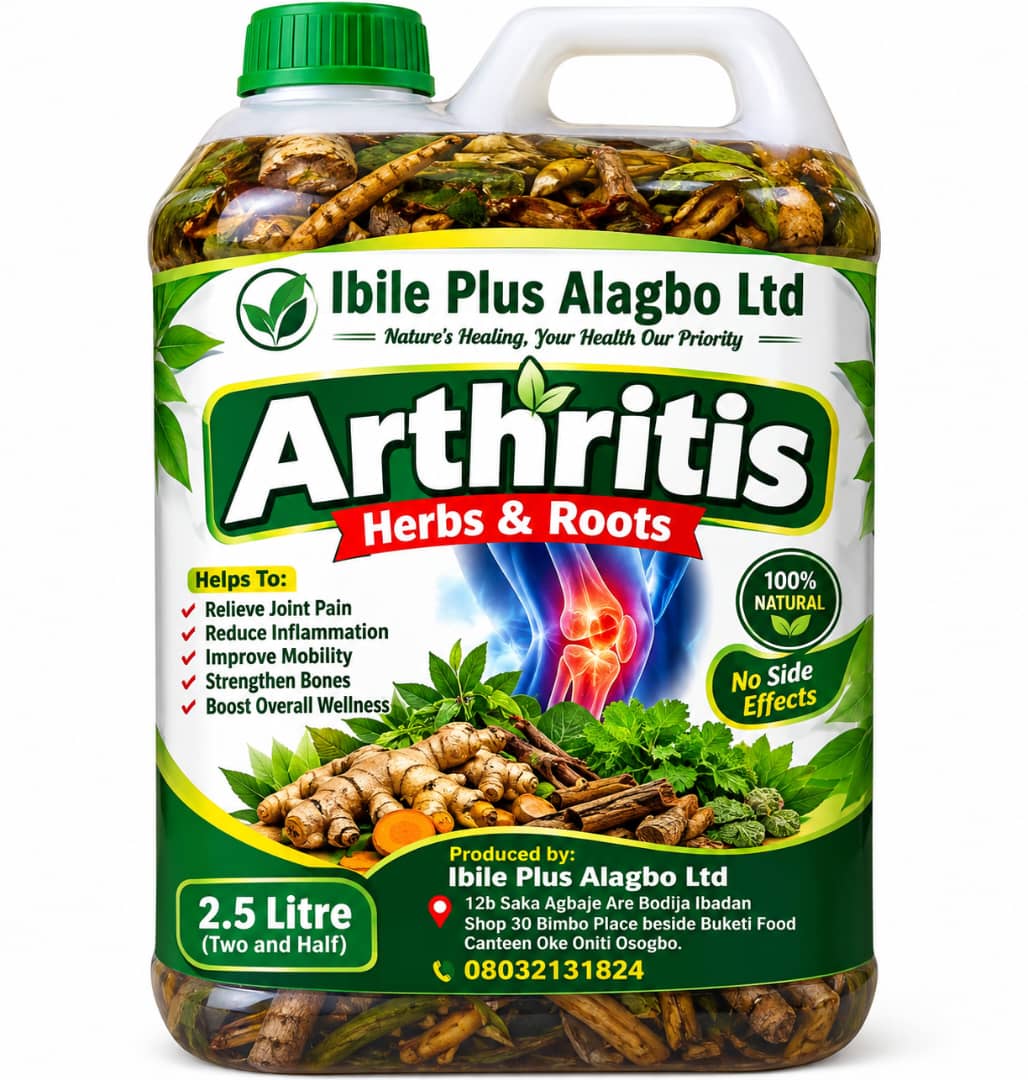
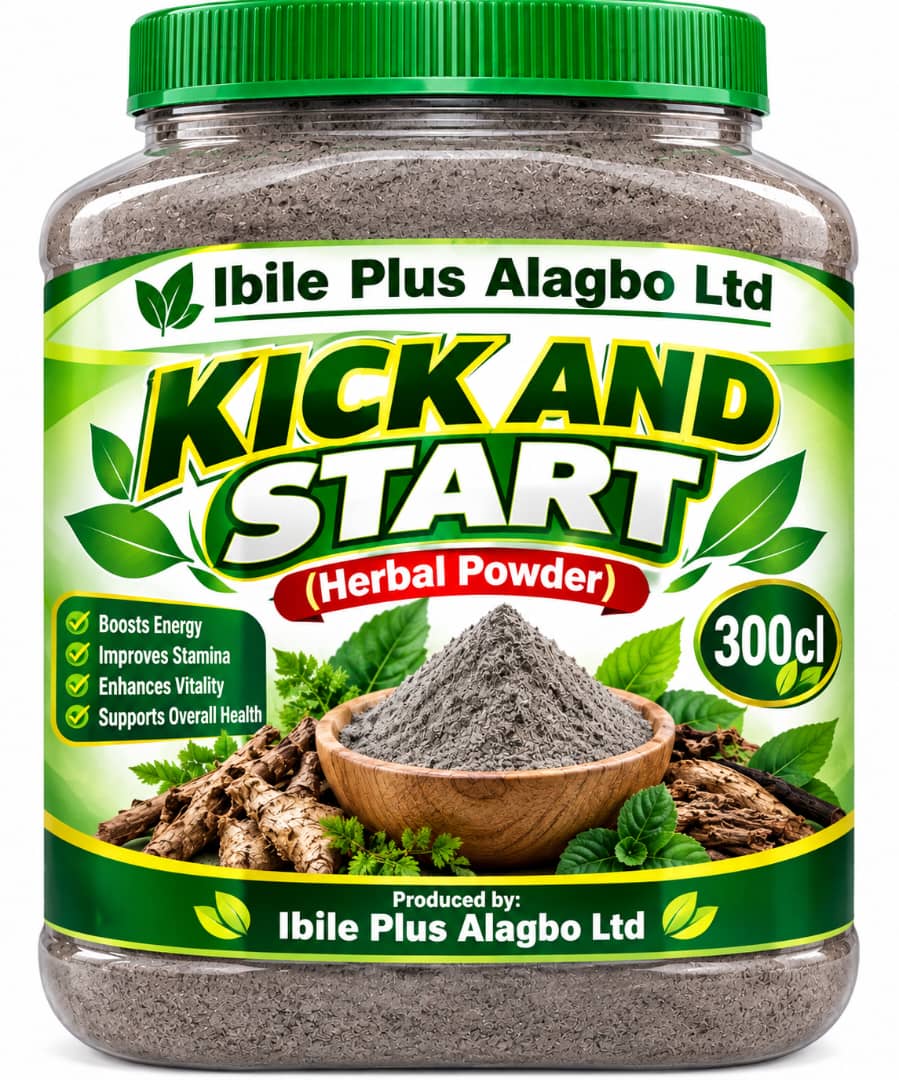
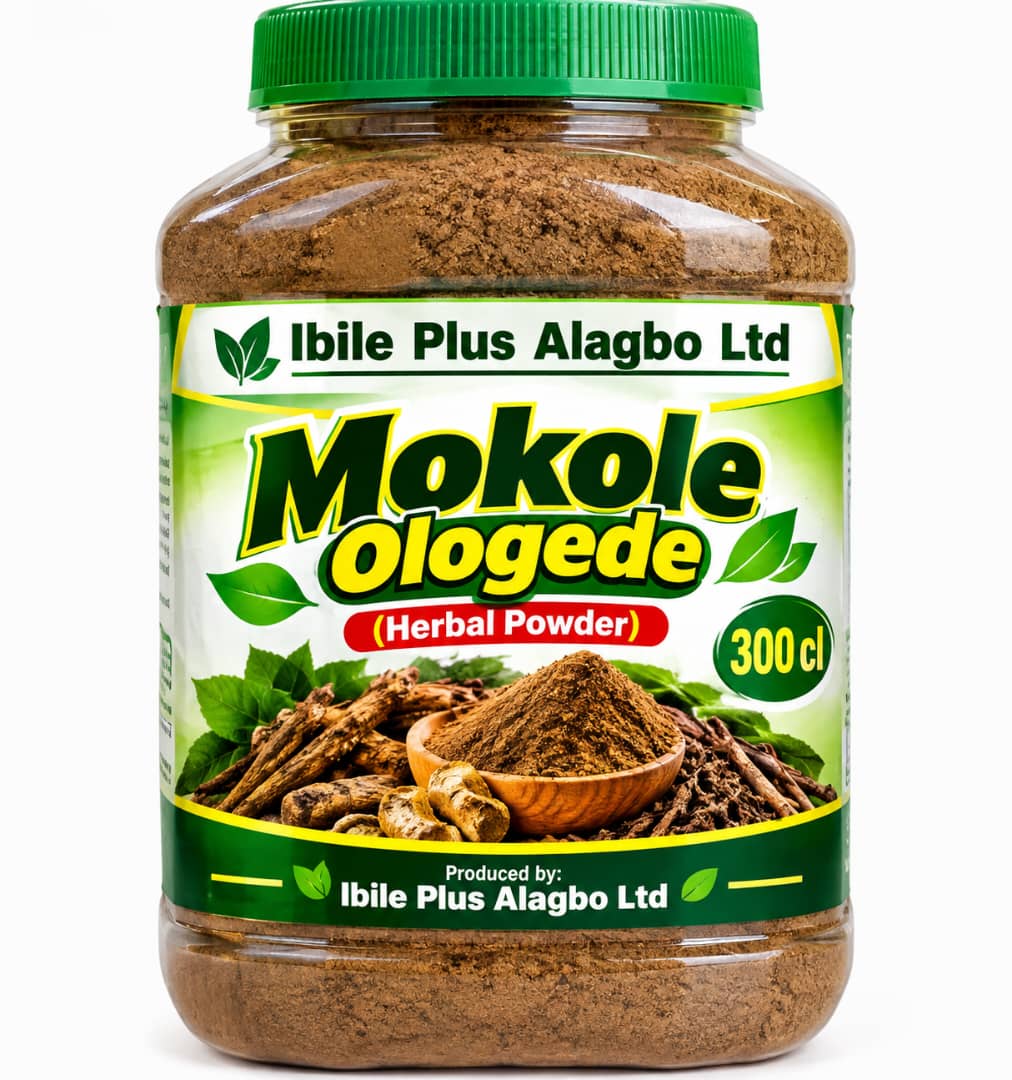
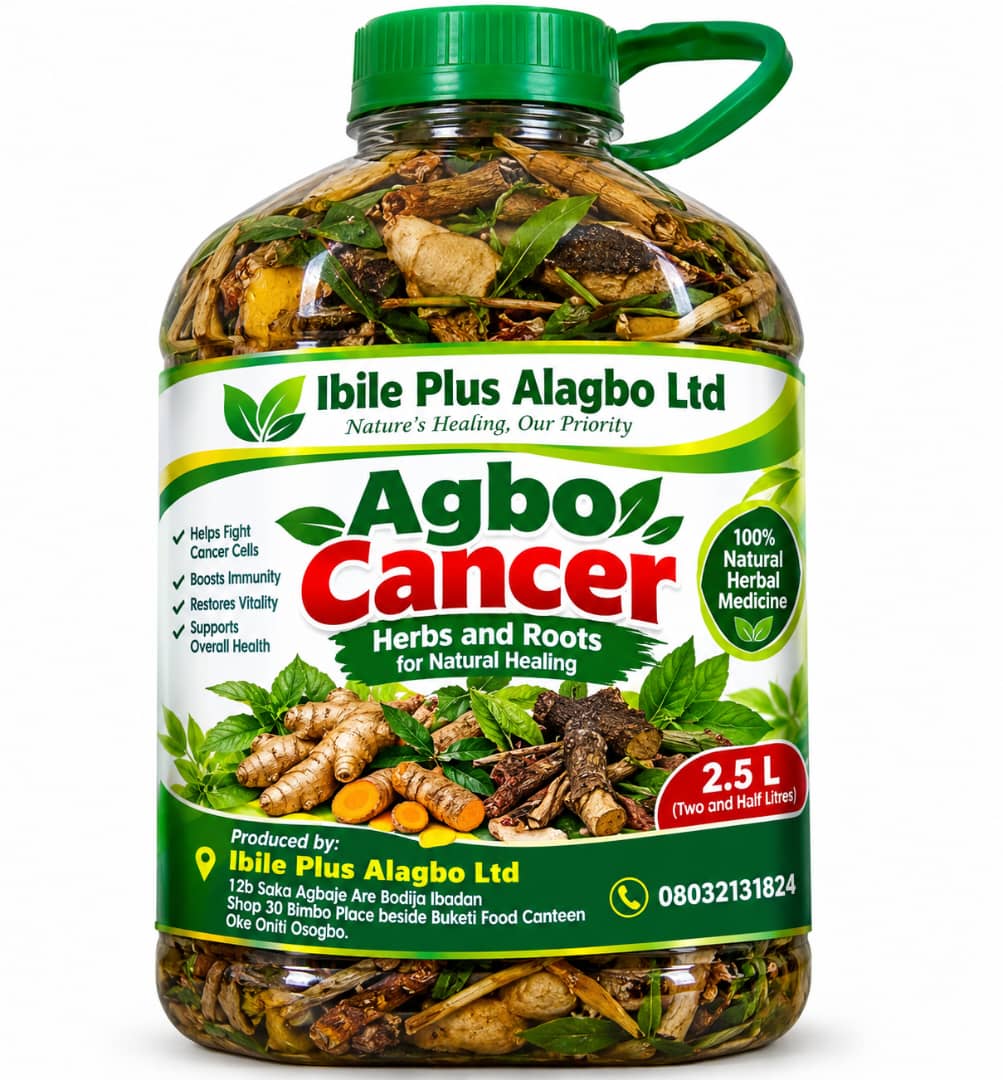
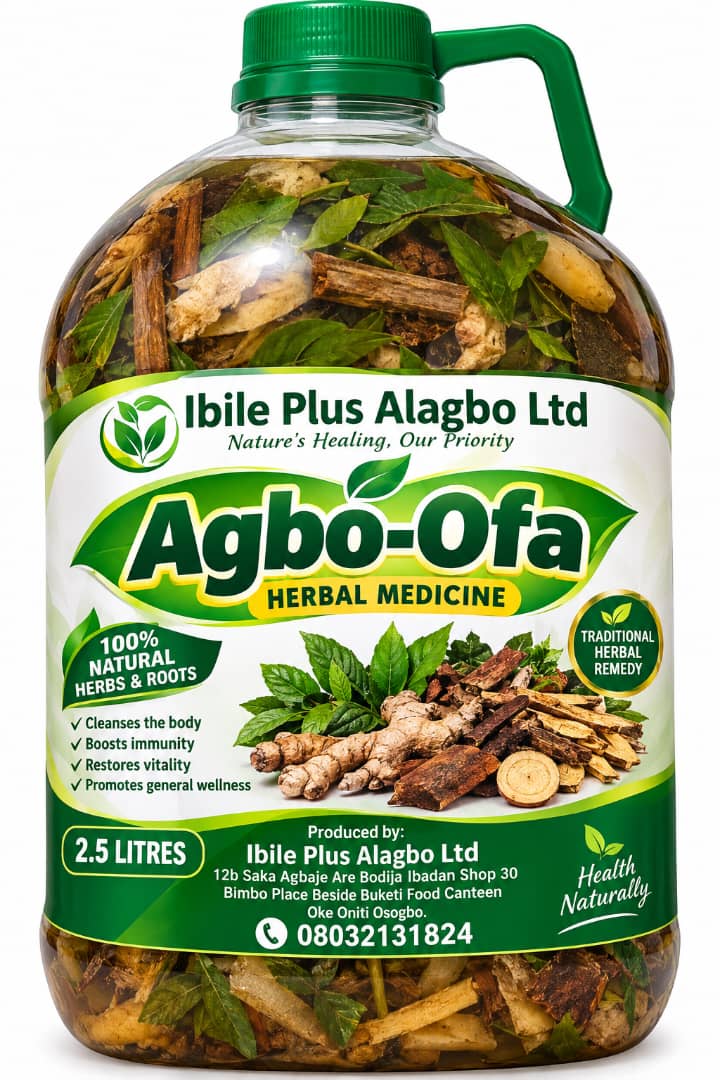
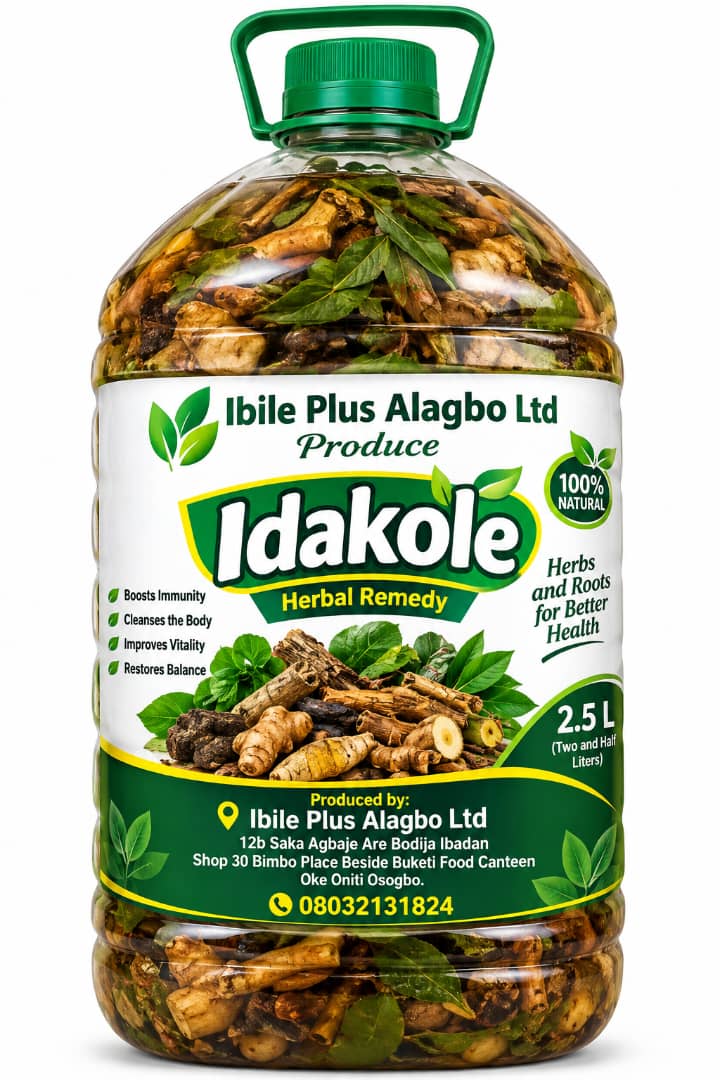
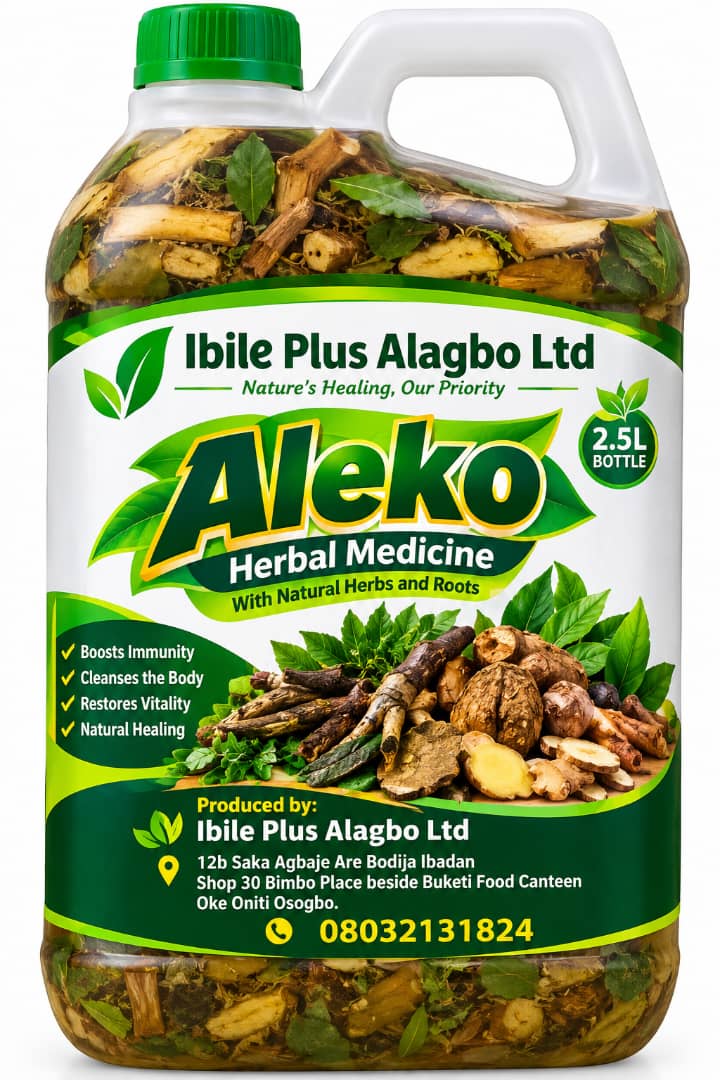
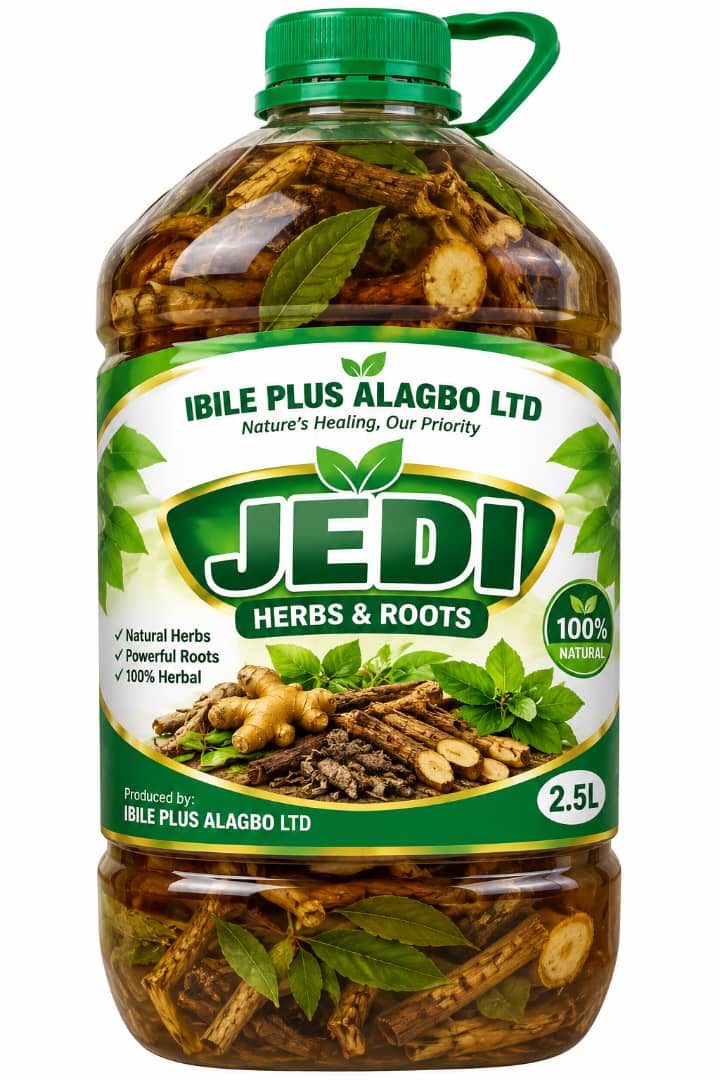
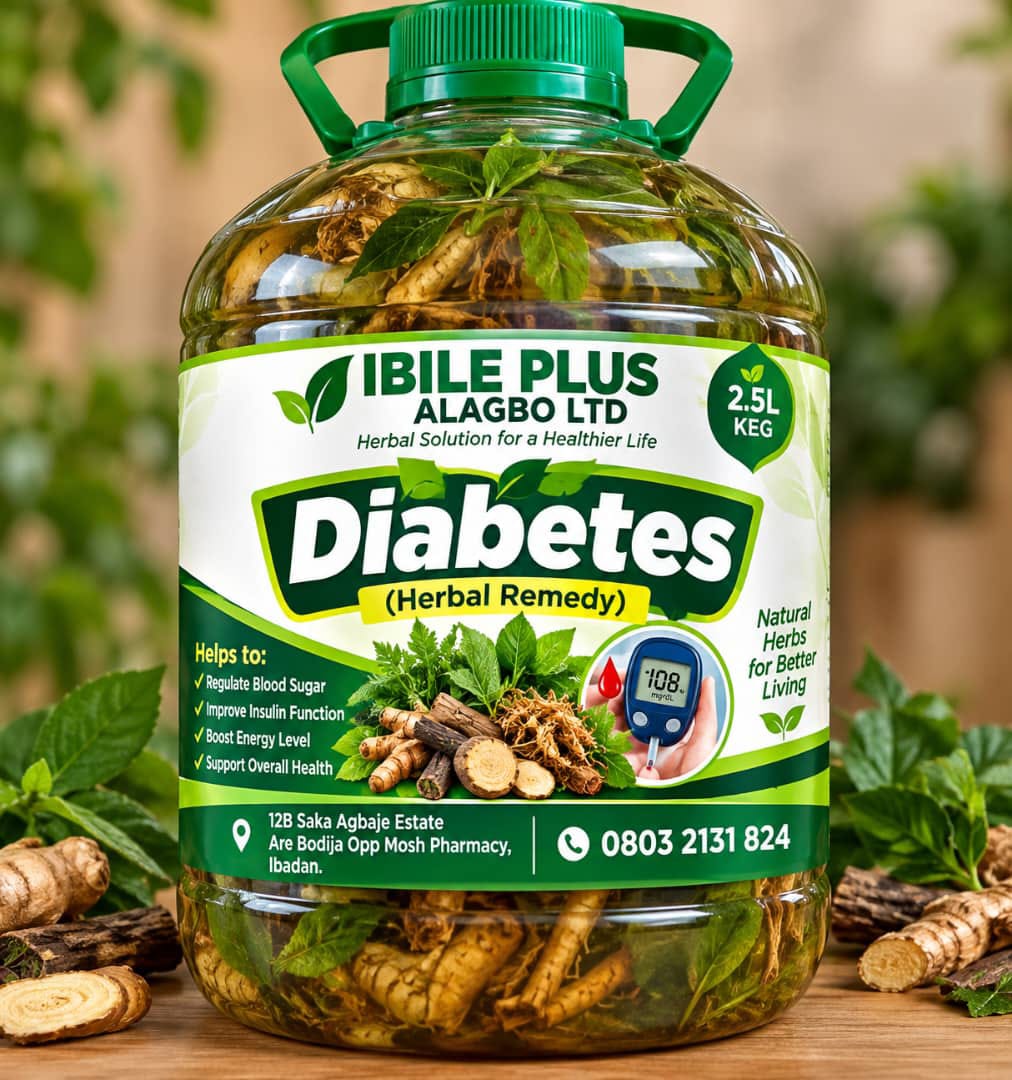
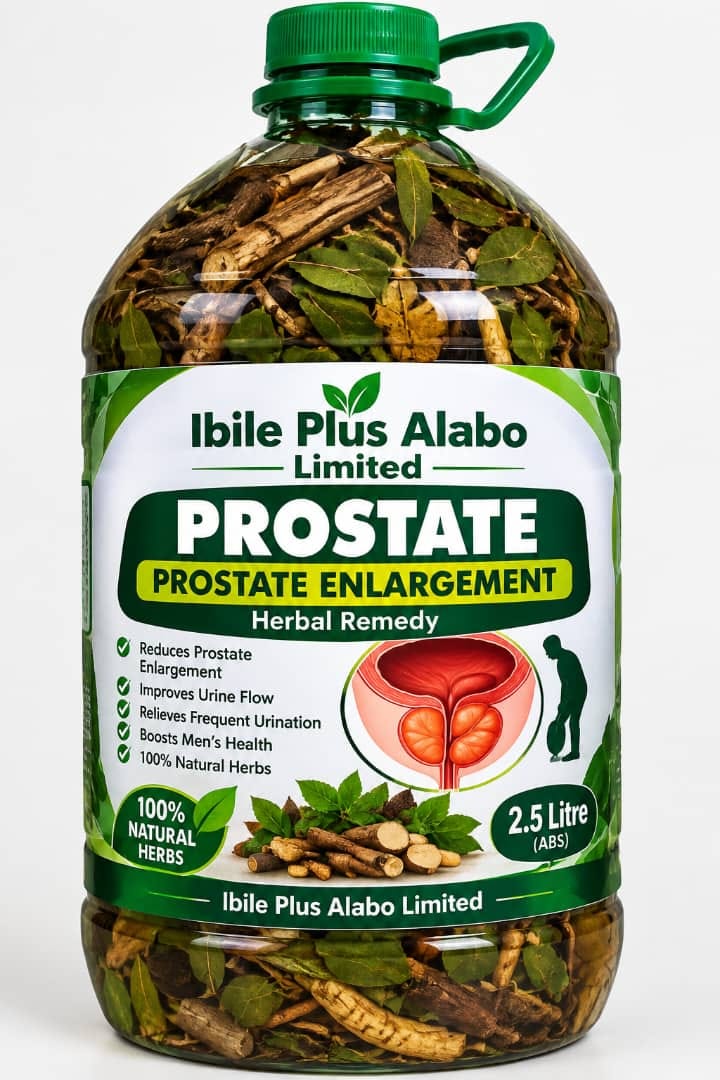
At Ibile Plus Alagbo Ltd., indigenous herbal products and knowledge are viewed within a broader cultural and educational context.
Our approach is centred on connecting people with indigenous herbal products, information and services while encouraging responsible engagement with traditional knowledge.
We recognize the importance of preserving knowledge while also creating modern ways for people to discover and learn about it.
Through digital technology, we can create a space where products, educational information and cultural knowledge can be presented in an organized and accessible manner.
Looking Ahead
The future of indigenous herbal knowledge can involve collaboration between traditional knowledge holders, communities, educators, researchers, technology developers and responsible businesses.
Such collaboration can help preserve valuable knowledge while encouraging responsible innovation and wider access to educational information.
The goal should not simply be to commercialize traditional knowledge, but to create systems that respect its history, cultural significance and responsible use.
Conclusion
Indigenous herbal knowledge represents generations of observation, experience and cultural practice.
Preserving this knowledge requires respect for the communities and traditions from which it comes, as well as responsible documentation and communication.
Modern technology can provide valuable tools for preserving, organizing and sharing information, provided that technology is used responsibly and does not disconnect knowledge from its cultural context.
At Ibile Plus Alagbo Ltd., we believe that indigenous herbal products, knowledge and services can be introduced to modern audiences while maintaining respect for tradition and encouraging responsible engagement.
Connect With Ibile Plus Alagbo
For more information about our products, knowledge and services, you can contact Ibile Plus Alagbo Ltd.
Website: ibileplusalagbo.com
Email: Ibileplus@gmail.com
Phone / WhatsApp: +234 803 213 1824
Phone / WhatsApp: +234 703 824 6117
Ibadan Office
No 12B Saka Agbaje Street, Are Bodija, Ibadan, Nigeria.
Osogbo Location
Shop 30, Bimbo Plaza, Oke Ontea, Osogbo, Nigeria.